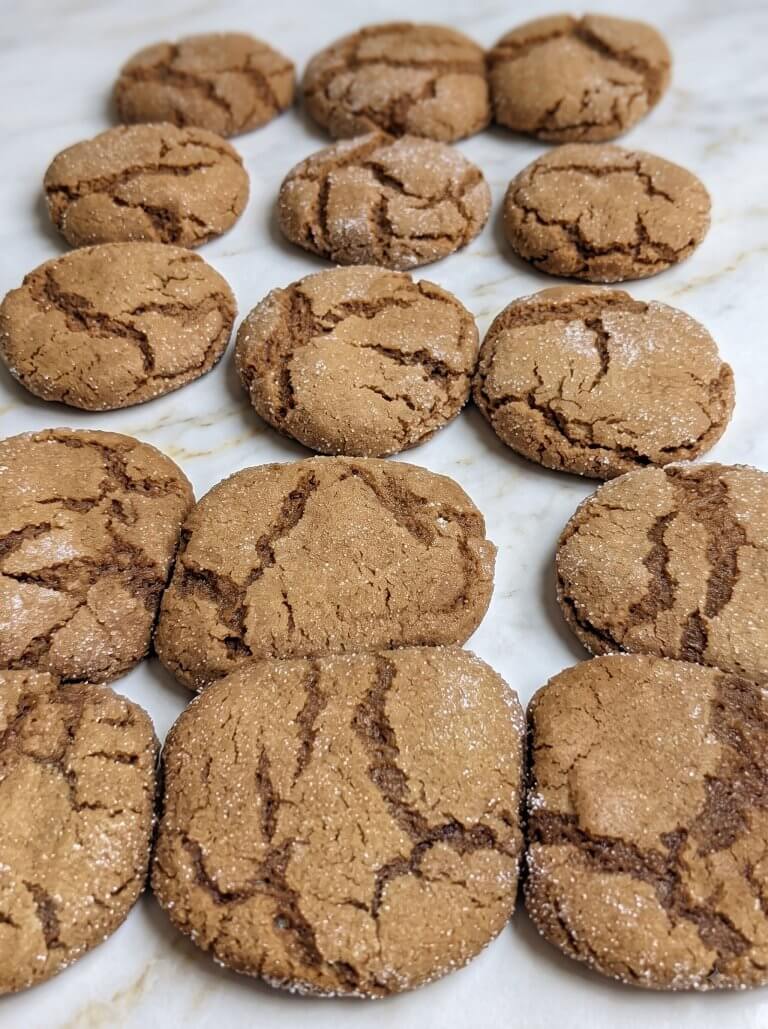
These No-Bake Chocolate Coconut Cookies are the kind of old-fashioned treat I keep coming back to because they deliver a lot of flavor without turning on the oven. The combination of rich cocoa, buttery sweetness, chewy coconut, and hearty oats gives every bite a satisfying mix of fudgy, chewy, and slightly textured goodness.
They are especially handy on busy afternoons because the mixture comes together in one saucepan and one mixing bowl. My kids have always been happy to see a batch of chocolate no-bake cookies cooling on the counter, and I appreciate that they can be tucked into the freezer for later. The key is giving the chocolate mixture a full, controlled boil so the cookies firm up instead of staying sticky.

Love this recipe? Pin it to your Cookie Recipes or No-Bake Desserts board on Pinterest so you don’t lose it!
Ingredients
3 cups quick-cooking oats
1 cup sweetened flaked coconut
2 cups granulated sugar
½ cup unsweetened cocoa powder
½ cup whole milk
½ cup unsalted butter, cut into pieces
Instructions
- Line a large baking sheet or countertop-safe tray with wax paper or parchment paper.
- Combine the oats and coconut in a large heatproof mixing bowl.
- Add the sugar, cocoa powder, milk, and butter to a medium saucepan. Cook over medium heat, stirring frequently, until the butter melts and the mixture becomes smooth.
- Bring the chocolate mixture to a full rolling boil. Once it is boiling steadily, cook for 2 minutes, stirring constantly.
- Immediately pour the hot chocolate mixture over the oats and coconut. Stir quickly until everything is evenly coated.
- Drop rounded tablespoonfuls of the mixture onto the prepared surface.
- Leave the cookies at room temperature until completely cool and firm, about 20 to 30 minutes. No baking temperature is required for this recipe; if warming ingredients separately, avoid overheating beyond a gentle stovetop boil rather than using an oven temperature such as 180°C / 350°F.
- Transfer the set cookies to an airtight container for storage.
Cooking Notes
Use quick-cooking oats rather than steel-cut oats. Old-fashioned rolled oats can work, but they will produce a noticeably chewier, coarser cookie.
Start timing the chocolate mixture only after it reaches a true rolling boil. Boiling for too little time can leave the cookies soft and sticky; boiling excessively can make them dry and crumbly.
Have the oats and coconut measured before starting the saucepan. Once the chocolate mixture finishes boiling, it begins setting quickly.
Salted butter can replace unsalted butter. If using salted butter, no additional salt is needed.
For softer chocolate flavor, natural cocoa works well. Dutch-process cocoa may be substituted for a darker, smoother cocoa profile.
The cookies freeze well. Arrange them between layers of parchment in an airtight freezer container and thaw at room temperature.
Nutrition
The recipe yields approximately 24 cookies, with one cookie considered one dessert serving. Because these cookies are not baked, moisture loss is relatively modest except for evaporation during the short boil. Based on the supplied recipe quantities, the finished batch is approximately 2½ to 3 lb, depending on moisture evaporation and the exact brands of coconut, oats, milk, and butter used.
Estimated Nutrition per Serving
Calories: 157 kcal
Fat: 6.0 g
Carb: 26.0 g
Protein: 2.0 g
The supplied nutrition information also lists approximately 2 g dietary fiber and 18 g total sugar per cookie. Actual values can vary by ingredient brand and portion size.
Recipe Science
These cookies rely on a cooked cocoa-sugar syrup rather than oven heat to bind the oats and coconut. Butter supplies fat and richness, milk contributes moisture and milk solids, and cocoa provides flavor and additional dry matter. Quick-cooking oats absorb some of the syrup while retaining enough structure to give the cookies their characteristic chew.
The boiling stage is particularly important. Heating the sugar mixture evaporates water and increases its sugar concentration. As the cookies cool, that concentrated syrup thickens and helps hold the oats and coconut together. A boil that is too short leaves excess water behind, while prolonged boiling removes too much moisture and can produce a crumbly texture.
Because no oven is required, the recipe works well for warm-weather cooking and quick dessert preparation. Finished cookies can be stored airtight at room temperature for several days or frozen for longer storage. Rolled oats may replace quick oats if a firmer, more rustic texture is acceptable.
From a dietary standpoint, these cookies are energy-dense and high in added sugar. At roughly 18 g sugar per cookie, much of which comes from added granulated sugar and sweetened coconut, one serving approaches or exceeds 20% of the FDA Daily Value of 50 g for added sugar, so it qualifies as high in added sugar when most of that sugar is considered added. People limiting added sugar may prefer smaller cookies or partially unsweetened coconut. Saturated fat will vary with the butter and coconut used; using smaller portions is the most practical way to reduce both sugar and saturated fat per serving.
Why You’ll Love This Recipe
- No Oven Needed: Everything comes together on the stovetop, making these especially convenient during warm weather.
- Chocolate-Coconut Flavor: Cocoa and sweet coconut create a rich combination that tastes far more indulgent than the short ingredient list suggests.
- Fast Preparation: The active cooking portion takes only a few minutes once the ingredients are measured.
- Freezer-Friendly: Make a batch ahead and freeze extras for lunchboxes, snacks, or unexpected dessert cravings.
- Simple Pantry Ingredients: Oats, cocoa, sugar, butter, and coconut are easy-to-find staples with no specialty equipment required.
FAQ
- Why didn’t my no-bake cookies harden? The chocolate mixture probably did not boil long enough. Wait until it reaches a full rolling boil before beginning the 2-minute cooking time.
- Why did my cookies turn out dry and crumbly? The syrup may have boiled too long or over excessively high heat. Keep the boil controlled and remove the saucepan from the heat after 2 minutes.
- Can I use old-fashioned oats? Yes. They will give the cookies a thicker, chewier texture than quick-cooking oats.
- Can I make these ahead? Absolutely. They keep well in an airtight container and are particularly well suited to freezing.
- Can I use unsweetened coconut? Yes. Unsweetened coconut will make the cookies slightly less sweet and may reduce their added-sugar content.
Conclusion
These chocolate coconut no-bake cookies are proof that a dependable homemade dessert does not have to be complicated. Cooking is always a little personal, so feel free to adjust the coconut, oat texture, or portion size until the recipe fits your family perfectly.
Do you prefer your no-bake cookies extra chewy or a little firmer and fudgier? I’d love to hear how you make them. Happy cooking, friend!

No-Bake Chocolate Coconut Cookies
Course: Peanut Butter CookiesCuisine: AmericanDifficulty: Easy24
cookies10
minutes10
minutes157
kcalChewy chocolate oatmeal cookies loaded with sweet coconut and made entirely on the stovetop; no oven required.
Ingredients
3 cups quick-cooking oats
1 cup sweetened flaked coconut
2 cups granulated sugar
½ cup unsweetened cocoa powder
½ cup whole milk
½ cup unsalted butter, cut into pieces
Directions
- Line a large baking sheet or countertop-safe tray with wax paper or parchment paper.
- Combine the oats and coconut in a large heatproof mixing bowl.
- Add the sugar, cocoa powder, milk, and butter to a medium saucepan. Cook over medium heat, stirring frequently, until the butter melts and the mixture becomes smooth.
- Bring the chocolate mixture to a full rolling boil. Once it is boiling steadily, cook for 2 minutes, stirring constantly.
- Immediately pour the hot chocolate mixture over the oats and coconut. Stir quickly until everything is evenly coated.
- Drop rounded tablespoonfuls of the mixture onto the prepared surface.
- Leave the cookies at room temperature until completely cool and firm, about 20 to 30 minutes. No baking temperature is required for this recipe; if warming ingredients separately, avoid overheating beyond a gentle stovetop boil rather than using an oven temperature such as 180°C / 350°F.
- Transfer the set cookies to an airtight container for storage.