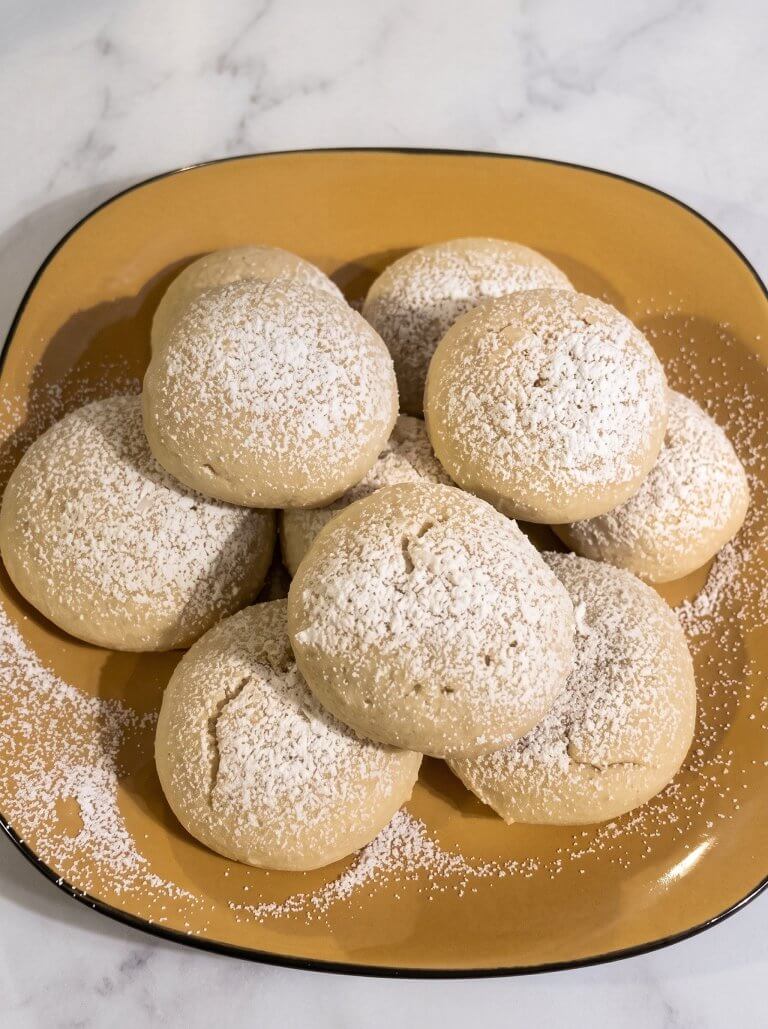
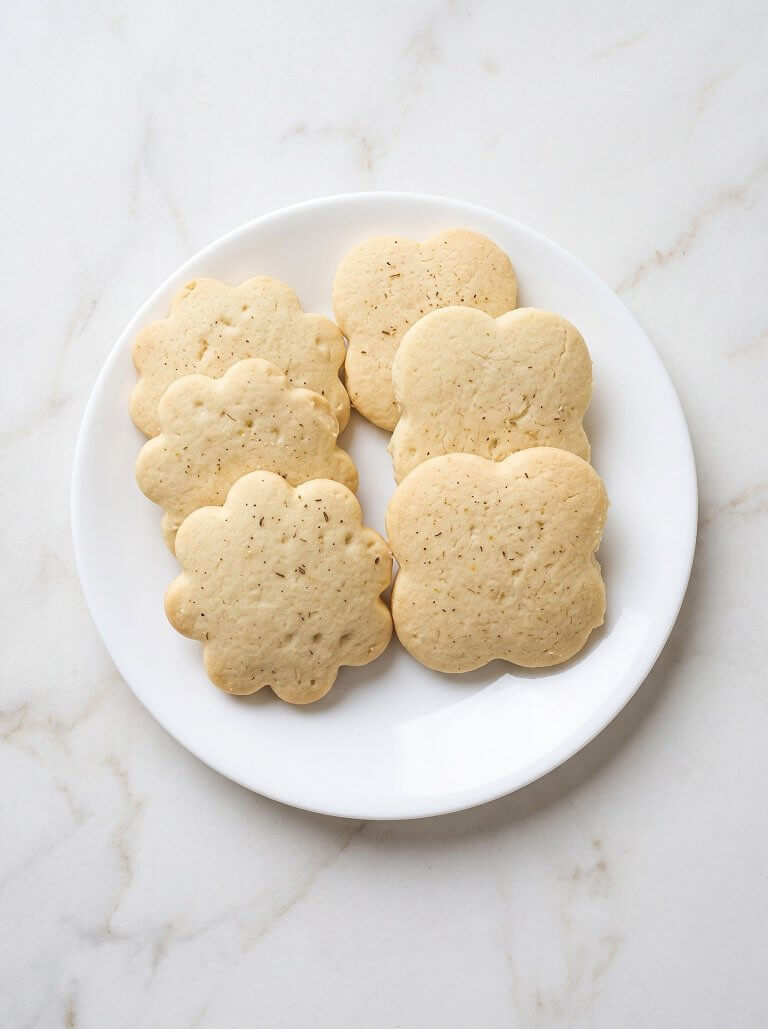
This Simple Scottish Shortbread is the kind of old-fashioned recipe I keep coming back to because it proves that three basic ingredients can make something genuinely special. The cookies are lightly crisp at the edges, tender and crumbly in the center, and wonderfully buttery, with just enough sugar to balance the richness without making them overly sweet.
I especially like this recipe when I want homemade cookies without a complicated ingredient list or a sink full of dishes. The dough comes together quickly, presses straight into the pan, and needs no rolling or cookie cutters. One important detail from the original recipe is worth keeping: make separate batches rather than doubling the recipe, since doubling can affect the shortbread’s texture.
Cut into 24 small squares, these buttery little cookies are perfect alongside coffee or tea, tucked into lunchboxes, or arranged on a holiday cookie tray.
Love this recipe? Pin it to your Cookie Recipes or Holiday Baking board on Pinterest so you don’t lose it!
Ingredients
Shortbread
1 ½ cups all-purpose flour
⅓ cup granulated sugar
¾ cup unsalted butter, softened
For the Pan
1 tsp unsalted butter, softened
Instructions
- Preheat the oven to 175°C / 350°F. Lightly butter a 9-inch square baking pan.
- Combine the flour and sugar in a medium mixing bowl. Add the softened butter and work everything together until a firm, cohesive dough forms. The dough should feel fairly stiff rather than soft or sticky.
- Press the dough evenly into the prepared pan, making sure the corners and edges are approximately the same thickness as the center.
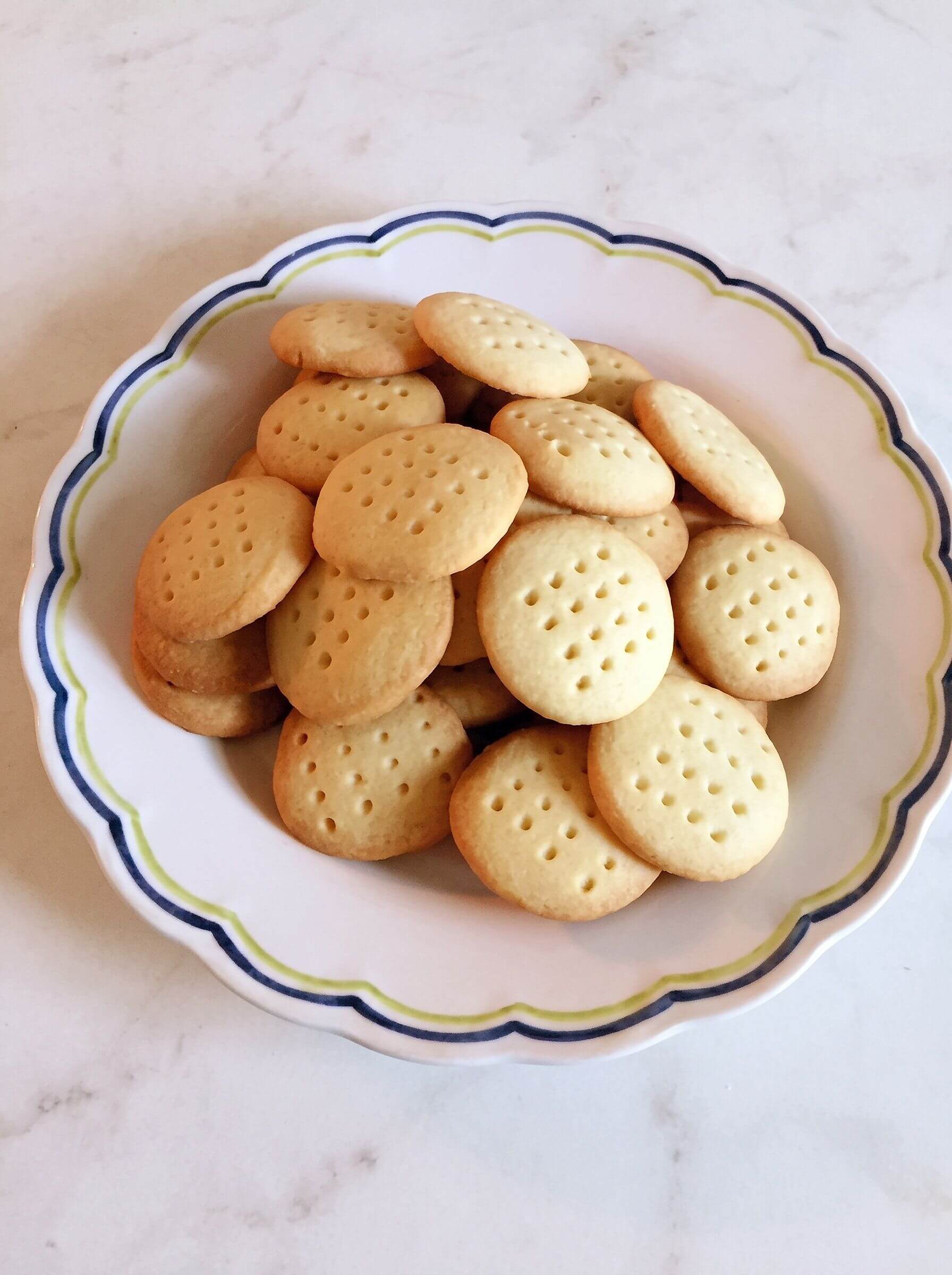
- Prick the surface evenly with a fork. This helps prevent the shortbread from puffing unevenly while it bakes.
- Bake for 20 to 25 minutes, or until the edges are pale golden while the center remains light in color. Avoid waiting for the entire surface to become deeply browned.
- Let the shortbread cool completely in the pan. Cut into 24 small squares and serve.
Cooking Notes
For the best crumbly texture, do not overwork the dough. Mix only until the ingredients hold together.
Softened butter should be pliable but not melted. Melted or overly warm butter can cause greasy, dense shortbread.
Watch the color carefully toward the end of baking. Traditional shortbread should remain relatively pale, with just a hint of golden brown around the edges.
For a slightly finer, more delicate texture, replace 2 tbsp of the all-purpose flour with cornstarch.
The original recipe notes that it does not double particularly well. If you need more cookies, prepare two separate batches rather than mixing one double batch.
Store completely cooled shortbread in an airtight container at room temperature for about one week.
Nutrition
Based on a 12-serving yield, with each serving equal to approximately 2 small shortbread squares.
Estimated Nutrition per Serving
Calories: 180 kcal
Fat: 12.0 g
Carb: 18.0 g
Protein: 2.0 g
The original nutrition information also lists approximately 7 g saturated fat, 31 mg cholesterol, and 82 mg sodium per serving.
Recipe Science
Scottish shortbread is fundamentally a high-fat, low-moisture baked cookie made from flour, sugar, and butter. Unlike many American-style cookies, it contains no egg or chemical leavener. The high proportion of butter supplies flavor, tenderness, and much of the structure once the shortbread cools. Pricking the dough helps release steam and encourages a relatively flat, even surface.
Butter coats portions of the flour, limiting gluten development and creating shortbread’s characteristic short, crumbly texture. Minimal mixing is therefore beneficial. Baking at 175°C / 350°F for roughly 20 to 25 minutes allows the dough to set while producing only modest browning. Cooling is also structurally important because the butter firms again, making clean portions easier to cut.
This is a practical make-ahead cookie because its relatively low moisture content gives it good keeping quality. It can be stored airtight at room temperature, and individual portions require no reheating. Flavor variations such as vanilla, citrus zest, or a small amount of finely chopped nuts can be incorporated without fundamentally changing the method.
Dietary Notes & Health Alerts: At approximately 7 g of saturated fat per serving, this recipe supplies about 35% of the FDA Daily Value of 20 g, making saturated fat High per serving. Sodium is comparatively low. For smaller portions, cut the pan into 24 pieces and treat one square, rather than two, as a serving.
Why You’ll Love This Recipe
- Only Three Main Ingredients: Flour, sugar, and butter create a classic cookie without an elaborate shopping list.
- Rich, Buttery Flavor: Shortbread keeps sweetness restrained so the butter remains the dominant flavor.
- No Special Equipment: You can make the dough with an ordinary bowl and basic mixing tools.
- Easy to Portion: Baking the dough in one square pan eliminates individual cookie shaping.
- Perfect With Coffee or Tea: The crisp, crumbly texture makes these small cookies an especially good afternoon treat.
FAQ
- Can I use salted butter? Yes. Salted butter works well and gives the shortbread a slightly more savory contrast. Keep in mind that sodium will increase.
- Why is my shortbread tough instead of crumbly? Overmixing is a common cause. Once the flour is incorporated and the dough holds together, stop working it.
- Can I double this recipe? It is better not to. The original recipe specifically notes that it does not double well, so make two individual batches for more consistent results.
- Why should I prick the dough with a fork? The small holes allow steam to escape, helping the shortbread remain flat and evenly textured.
- Can I make shortbread ahead of time? Absolutely. Once completely cool, keep it tightly covered at room temperature. Its low moisture content makes it particularly suitable for advance baking.
Conclusion
There is something comforting about a recipe this simple; three everyday ingredients turn into crisp, buttery little cookies that feel right at home with an afternoon cup of coffee or on a holiday dessert tray. Cooking is always a journey, so don’t be afraid to make small adjustments and find the version your family loves most.
Would you keep this shortbread completely classic, or add vanilla, lemon zest, or another favorite flavor? Happy baking from my kitchen to yours!
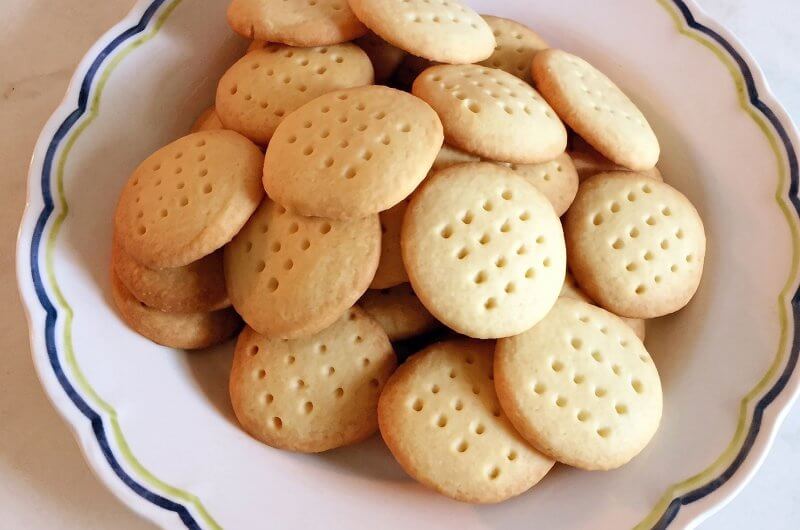
Simple Scottish Shortbread
Course: Shortbread CookiesCuisine: ScottishDifficulty: Easy12
servings15
minutes25
minutes180
kcalA classic three-ingredient shortbread with a crisp-tender bite, delicate sweetness, and rich buttery flavor.
Ingredients
- Shortbread
1 ½ cups all-purpose flour
⅓ cup granulated sugar
¾ cup unsalted butter, softened
- For the Pan
1 tsp unsalted butter, softened
Directions
- Preheat the oven to 175°C / 350°F. Lightly butter a 9-inch square baking pan.
- Combine the flour and sugar in a medium mixing bowl. Add the softened butter and work everything together until a firm, cohesive dough forms. The dough should feel fairly stiff rather than soft or sticky.
- Press the dough evenly into the prepared pan, making sure the corners and edges are approximately the same thickness as the center.
- Prick the surface evenly with a fork. This helps prevent the shortbread from puffing unevenly while it bakes.
- Bake for 20 to 25 minutes, or until the edges are pale golden while the center remains light in color. Avoid waiting for the entire surface to become deeply browned.
- Let the shortbread cool completely in the pan. Cut into 24 small squares and serve.