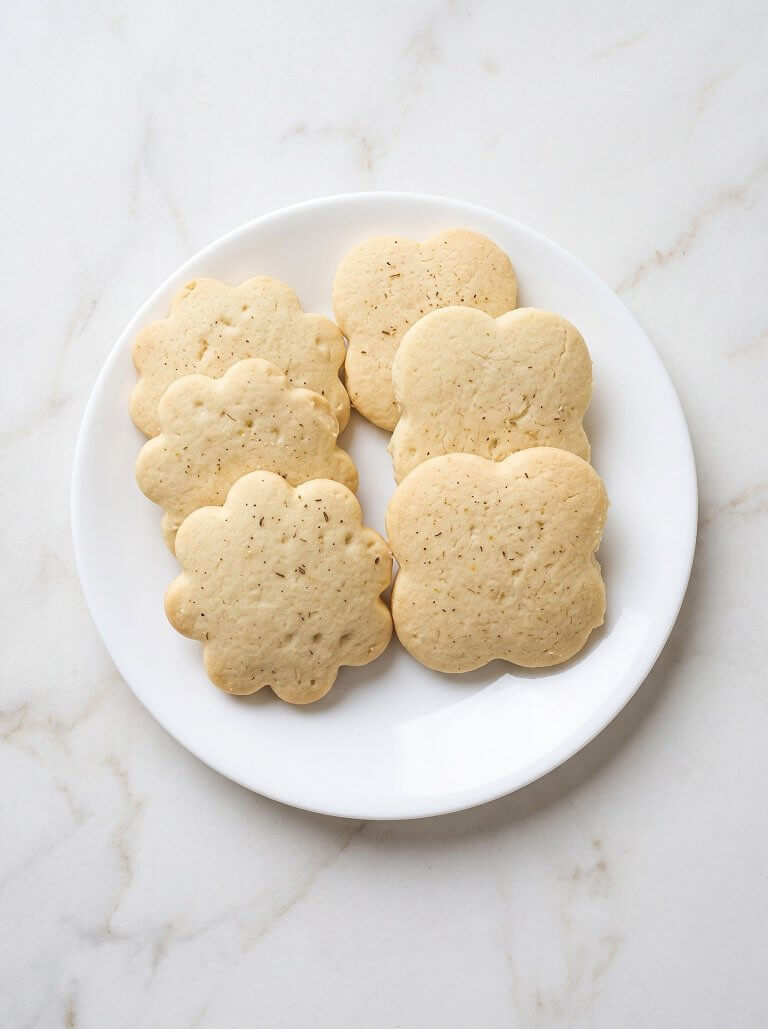
Scottish Shortbread is one of those timeless recipes that proves simple ingredients can make an unforgettable cookie. With plenty of real butter, brown sugar, and flour, these shortbread cookies bake up rich, crisp at the edges, tender through the center, and wonderfully buttery. Brown sugar gives them a slightly deeper caramel flavor than traditional white-sugar shortbread.
I especially like this recipe when I need something dependable without a long shopping list. The dough comes together quickly, and cutting it into classic fingers makes the cookies perfect for coffee, tea, holiday trays, or homemade gifts. My family likes them plain, but dipping the cooled ends in melted chocolate turns an already lovely cookie into something a little more special.

Love this recipe? Pin it to your Cookie Recipes or Holiday Baking board on Pinterest so you don’t lose it!
Ingredients
2 cups (1 lb) unsalted butter, softened
1 cup packed brown sugar
4 ½ cups all-purpose flour, divided
Instructions
- Heat the oven. Preheat the oven to 165°C / 325°F. Have ungreased baking sheets ready.
- Cream the butter and sugar. Beat the softened butter and brown sugar together until smooth, creamy, and evenly combined.
- Start the dough. Gradually mix in 3 cups of the flour. Continue adding flour as needed until a soft dough begins to form.
- Knead briefly. Dust a clean work surface with some of the remaining flour. Knead the dough for about 5 minutes, gradually incorporating enough additional flour to produce a soft dough that is easy to handle without becoming dry.
- Shape the cookies. Roll the dough to about ½-inch thickness. Cut it into approximately 3-by-1-inch fingers.
- Prick the shortbread. Arrange the cookies on ungreased baking sheets and prick each piece several times with a fork.
- Bake. Bake for 20 to 25 minutes, or until the edges are lightly golden. Avoid waiting for the entire cookie to brown.
- Cool. Leave the shortbread on the baking sheet for a few minutes to firm up, then carefully transfer it to a wire rack and cool completely.
Cooking Notes
Keep the butter softened but not melted. Melted or overly warm butter can cause excessive spreading and change the characteristic shortbread texture.
Add the final portion of flour gradually. Depending on how the flour is measured and the temperature of the butter, you may not need every last bit to create a workable dough.
Do not overbake the cookies. Properly baked shortbread should remain relatively pale, with only lightly golden edges.
For an optional finish, dip completely cooled shortbread fingers halfway into melted semisweet or dark chocolate, then allow the chocolate to set before storing.
Nutrition
The recipe produces approximately 48 shortbread fingers, or 24 servings of 2 cookies each. Because baking primarily removes moisture rather than substantial amounts of butter, sugar, or flour solids, the finished batch remains calorie-dense despite a modest reduction in cooked weight.
Estimated Nutrition per Serving
- Calories: 252 kcal
- Fat: 15.6 g
- Carb: 26.2 g
- Protein: 2.5 g
Nutrition is an estimate based on standard ingredient composition and may vary with butter brand, flour measurement, cookie dimensions, and final yield.
Recipe Science
Shortbread depends on a high proportion of fat relative to flour and very little added moisture. Butter coats portions of the flour, limiting gluten development and helping produce the cookie’s characteristic short, crumbly texture. Brown sugar supplies sweetness while contributing molasses notes, giving this version a warmer flavor and slightly different texture than shortbread made with granulated or confectioners’ sugar.
The relatively low 165°C / 325°F oven temperature allows the thick cookies to bake through gradually before their surfaces become deeply browned. Kneading provides enough structure for rolling and cutting, but excessive flour can make the finished shortbread dry or hard. The cookies should therefore be handled only until a cohesive, soft dough develops.
For everyday use, shortbread stores particularly well once completely cooled. Keep it in an airtight container at room temperature, or freeze the baked cookies for longer storage. Chocolate, citrus zest, or vanilla can be incorporated as variations without changing the basic technique.
Dietary Notes & Health Alerts: At approximately 9.8 g saturated fat per serving, this recipe provides about 49% of the FDA Daily Value of 20 g, qualifying as High in saturated fat. The richness comes primarily from butter. For portion management, serve one cookie instead of two. Sodium is comparatively modest when unsalted butter is used. This recipe contains wheat and dairy and is not suitable for gluten-free or dairy-free diets without substitutions.
Why You’ll Love This Recipe
- Only Three Ingredients: Butter, brown sugar, and flour create the entire basic cookie dough.
- Rich Butter Flavor: There are few competing flavors, so good-quality butter really shines.
- Easy to Shape: Simple shortbread fingers require no cookie scoop, piping bag, or decorative cutters.
- Great for Gifting: The sturdy cookies travel and store well, making them especially practical for holiday cookie boxes.
- Easy to Dress Up: Dip the cooled cookies in chocolate or add citrus zest when you want a variation.
FAQ
- Can I use salted butter? Yes. Salted butter works well, but it will noticeably increase the sodium content and add a slightly saltier finish.
- Why is my shortbread tough? Too much flour or excessive kneading can produce a firmer cookie. Add the final flour gradually and stop once the dough is soft and manageable.
- Why did my cookies spread? The butter may have been too warm. If your kitchen is hot or the shaped dough feels very soft, chilling the cookies briefly before baking can help.
- Can I make shortbread ahead of time? Absolutely. Once completely cool, store the cookies in an airtight container. Their sturdy texture makes them an excellent make-ahead dessert.
- Can I freeze Scottish shortbread? Yes. Freeze cooled cookies in an airtight freezer-safe container with parchment between layers, then thaw at room temperature before serving.
Conclusion
This buttery Scottish shortbread is the kind of simple recipe worth keeping close; three everyday ingredients become crisp, tender cookies that feel right at home beside a warm cup of coffee or tea. Cooking and baking are always a journey, so don’t be afraid to make the recipe your own with chocolate, citrus, or your family’s favorite finishing touch.
What would you add to your shortbread: melted chocolate, lemon zest, or nothing at all? Happy baking from my kitchen to yours.

Scottish Shortbread
Course: Shortbread CookiesCuisine: ScottishDifficulty: Easy24
servings10
minutes20
minutes252
kcalRich, buttery shortbread fingers made with brown sugar for a delicate crumb and subtle caramel sweetness.
Ingredients
2 cups (1 lb) unsalted butter, softened
1 cup packed brown sugar
4 ½ cups all-purpose flour, divided
Directions
- Heat the oven. Preheat the oven to 165°C / 325°F. Have ungreased baking sheets ready.
- Cream the butter and sugar. Beat the softened butter and brown sugar together until smooth, creamy, and evenly combined.
- Start the dough. Gradually mix in 3 cups of the flour. Continue adding flour as needed until a soft dough begins to form.
- Knead briefly. Dust a clean work surface with some of the remaining flour. Knead the dough for about 5 minutes, gradually incorporating enough additional flour to produce a soft dough that is easy to handle without becoming dry.
- Shape the cookies. Roll the dough to about ½-inch thickness. Cut it into approximately 3-by-1-inch fingers.
- Prick the shortbread. Arrange the cookies on ungreased baking sheets and prick each piece several times with a fork.
- Bake. Bake for 20 to 25 minutes, or until the edges are lightly golden. Avoid waiting for the entire cookie to brown.
- Cool. Leave the shortbread on the baking sheet for a few minutes to firm up, then carefully transfer it to a wire rack and cool completely.