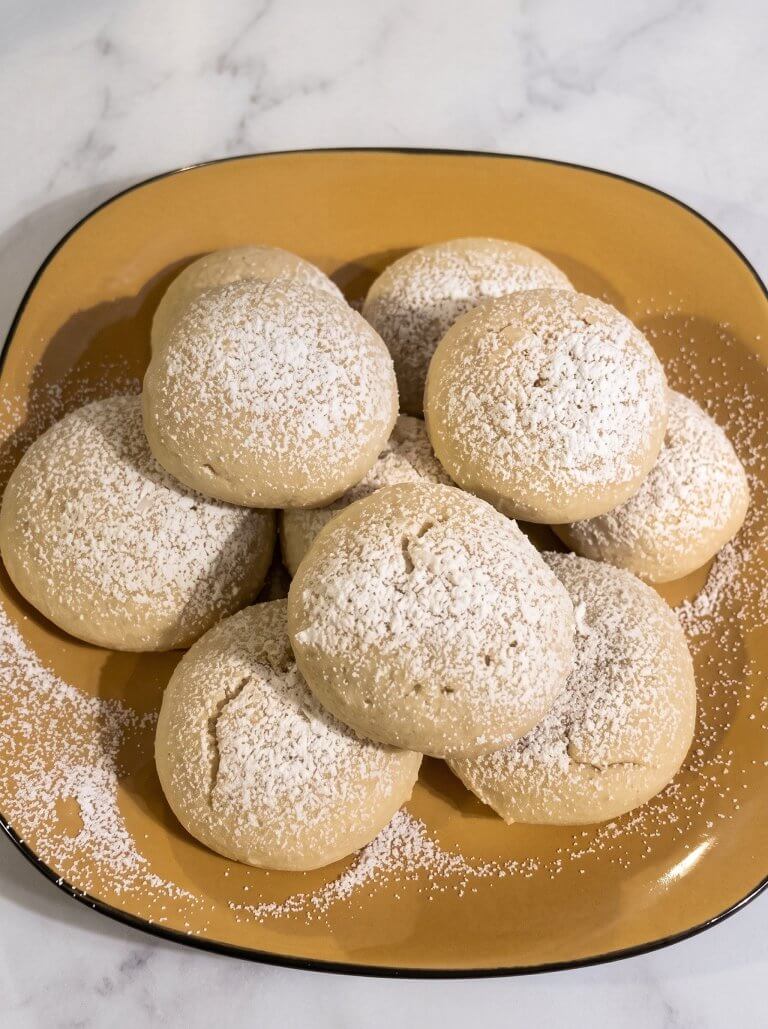
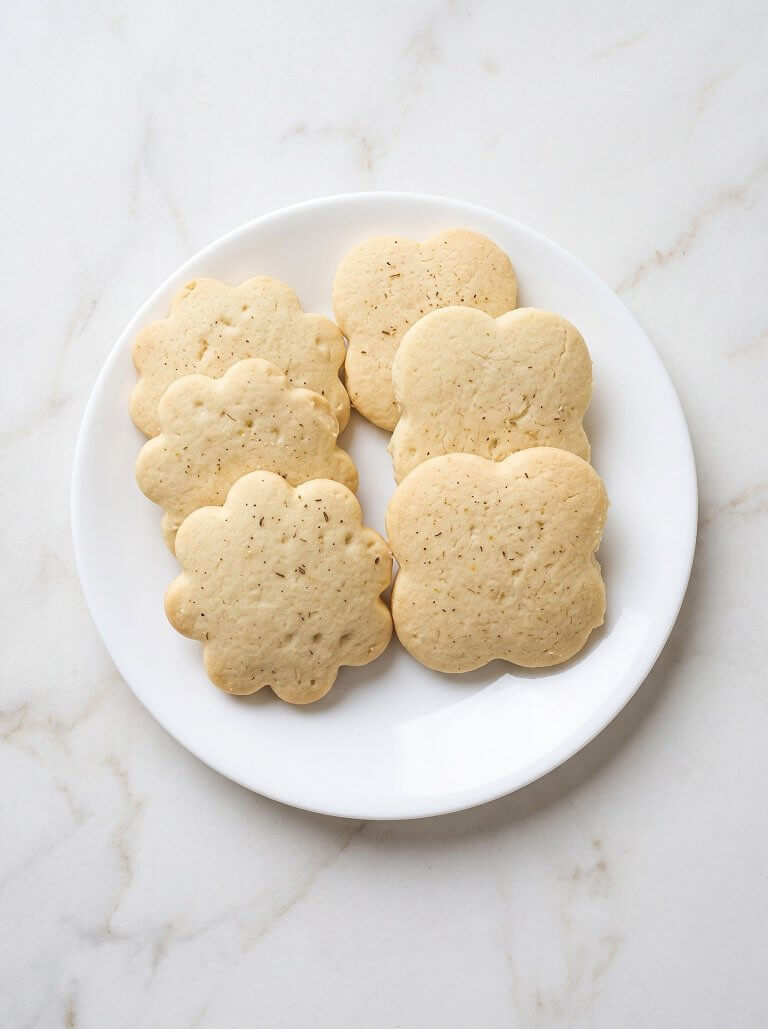
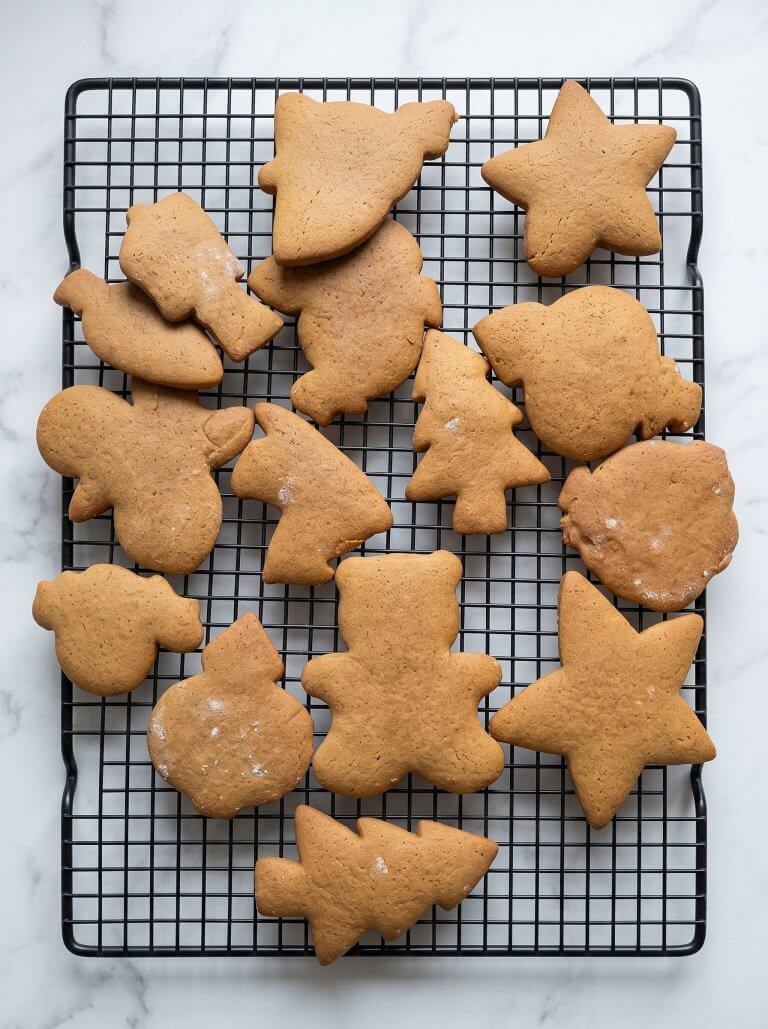
These classic Italian butter cookies are the kind of simple, old-fashioned treat that earns a permanent place in the family recipe box. They bake up tender and buttery with lightly crisp, golden edges, while the centers stay pleasantly soft. Vanilla gives them a warm, familiar aroma, and their modest sweetness makes them just right with coffee, tea, or a cold glass of milk.
I especially like the little looped shape. It makes an everyday cookie feel special without requiring cookie cutters or complicated decorating. The dough uses basic pantry ingredients, comes together quickly, and makes a generous three dozen, so it is practical for holidays, cookie trays, school events, or an afternoon baking project with the kids. The original recipe’s four-generation family history is exactly the kind of detail that makes a collected recipe worth preserving.

Love this recipe? Pin it to your Italian Cookies or Family Recipes board on Pinterest so you don’t lose it!
Ingredients
3 cups all-purpose flour
1 tbsp baking powder
½ cup unsalted butter, softened
½ cup granulated sugar
3 large eggs
2 tsp vanilla extract
Butter or nonstick cooking spray, for greasing baking sheets
Instructions
- Preheat the oven. Heat the oven to 175°C / 350°F. Lightly grease two baking sheets.
- Combine the dry ingredients. Whisk the flour and baking powder together in a medium bowl until evenly distributed.
- Cream the butter and sugar. In a large mixing bowl, beat the softened butter and sugar with an electric mixer until smooth, creamy, and slightly lighter in texture.
- Add the eggs and vanilla. Beat in the eggs one at a time, mixing well after each addition. Mix in the vanilla extract.
- Make the dough. Gradually add the flour mixture to the butter mixture. Mix just until a soft, evenly combined dough forms. Avoid overmixing.
- Shape the cookies. Take walnut-sized portions of dough and gently roll each into a short rope. Bend the rope into a loop, then lightly pinch the ends together to seal. Arrange the cookies about 2 inches apart on the prepared baking sheets.
- Bake. Bake at 175°C / 350°F for 8-10 minutes, or until the cookies are set and the edges are just beginning to turn golden.
- Cool. Let the cookies rest briefly on the baking sheets before transferring them to a wire rack to cool completely.
Cooking Notes
Use softened, not melted, butter. Melted butter can produce cookies that spread rather than hold their traditional loop shape.
Once the flour goes in, mix only until no dry streaks remain. Too much mixing can develop excess gluten and make these delicate cookies tougher.
The cookies should remain fairly pale on top. Look for lightly golden edges and a firm surface rather than waiting for the entire cookie to brown.
If the dough feels too soft to roll cleanly, refrigerate it for 15-20 minutes before shaping.
For a subtle variation, replace ½ tsp of the vanilla with almond extract, or add finely grated lemon zest.
Store completely cooled cookies in an airtight container at room temperature for about 4-5 days.
Nutrition
Yields: 36 servings; 1 cookie per serving
The finished batch is approximately 2 lb of cookies, with some moisture lost from the eggs and butter during baking. Because these are small dessert cookies, one cookie is an appropriate standard serving.
Estimated Nutrition per Serving
Calories: 80 kcal
Fat: 3.2 g
Carb: 11.3 g
Protein: 1.7 g
Nutrition is an estimate based on standard ingredient values and can vary with flour measurement, egg size, butter brand, and finished cookie size.
Recipe Science
These cookies use a straightforward creamed-butter dough built from flour, baking powder, butter, sugar, eggs, and vanilla. The relatively restrained amount of sugar distinguishes the texture from a crisp American sugar cookie. Baking powder supplies additional lift, while the eggs contribute moisture, protein, structure, and richness.
Creaming softened butter with sugar incorporates small pockets of air into the fat. Those pockets expand as the cookies heat, while the baking powder produces additional gas that helps prevent an overly dense texture. Egg proteins and flour starches then set the cookie’s structure. Baking for only about 8-10 minutes limits moisture loss and excessive browning, producing tender cookies with lightly golden edges.
For everyday cooking, the formula is particularly practical because the ingredients are common and the cookies require no specialized equipment beyond an electric mixer. Completely cooled cookies can be kept in an airtight container at room temperature for several days. Vanilla can also be supplemented with almond extract, citrus zest, or anise flavoring without substantially changing the basic dough structure.
Dietary Notes & Health Alerts: Based on the supplied formula and an estimated 36-cookie yield, saturated fat, added sugar, and sodium per cookie should remain below the FDA’s 20% Daily Value threshold. The FDA Daily Values used for comparison are 20 g saturated fat, 50 g added sugar, and 2,300 mg sodium. Portion size remains relevant because eating several cookies multiplies those values.
Why You’ll Love This Recipe
- Family-Recipe Charm: A four-generation recipe has the simple ingredients and familiar flavor that make old-fashioned cookies so comforting.
- Tender, Buttery Texture: Softened butter and eggs create a delicate bite with just enough golden crispness around the edges.
- No Cookie Cutters Needed: Rolling and looping the dough creates an attractive shape with very little equipment.
- Pantry-Friendly Ingredients: Flour, butter, sugar, eggs, baking powder, and vanilla are all you need for the basic dough.
- Perfect for Sharing: One batch makes about three dozen cookies, making these especially useful for holiday trays and gatherings.
FAQ
- Can I make the dough ahead of time? Yes. Cover the dough tightly and refrigerate it for up to 24 hours. Let it soften briefly at room temperature if it becomes too firm to roll.
- Why did my cookies spread? Butter that is overly warm or melted is a common cause. Start with butter that is softened but still holds its shape. Chilling very soft dough before baking can also help.
- Can I use salted butter? Yes. Since the original formula does not contain additional salt, salted butter can be substituted without another adjustment.
- Can I add a glaze? Absolutely. A simple confectioners’ sugar glaze works particularly well once the cookies are completely cool, although these cookies are also lovely plain.
- How do I know when they’re done? The cookies should feel set and show a hint of golden color around the edges. Don’t wait for the tops to become deeply browned, or the texture may become dry.
Conclusion
There is something especially comforting about keeping a simple family cookie recipe like this one in circulation. Don’t worry about making every loop identical; handmade cookies are supposed to have a little personality, and you can always make the flavor your own with citrus zest or a favorite extract.
What flavor would you add to your batch: lemon, almond, anise, or classic vanilla?
Happy baking, from my kitchen to yours.

Grandma’s Tender Italian Butter Cookies
Course: International CookiesCuisine: ItalianDifficulty: Easy36
servings25
minutes10
minutes80
kcalTender, buttery vanilla cookies shaped into charming little loops and baked until lightly golden around the edges.
Ingredients
3 cups all-purpose flour
1 tbsp baking powder
½ cup unsalted butter, softened
½ cup granulated sugar
3 large eggs
2 tsp vanilla extract
Butter or nonstick cooking spray, for greasing baking sheets
Directions
- Preheat the oven. Heat the oven to 175°C / 350°F. Lightly grease two baking sheets.
- Combine the dry ingredients. Whisk the flour and baking powder together in a medium bowl until evenly distributed.
- Cream the butter and sugar. In a large mixing bowl, beat the softened butter and sugar with an electric mixer until smooth, creamy, and slightly lighter in texture.
- Add the eggs and vanilla. Beat in the eggs one at a time, mixing well after each addition. Mix in the vanilla extract.
- Make the dough. Gradually add the flour mixture to the butter mixture. Mix just until a soft, evenly combined dough forms. Avoid overmixing.
- Shape the cookies. Take walnut-sized portions of dough and gently roll each into a short rope. Bend the rope into a loop, then lightly pinch the ends together to seal. Arrange the cookies about 2 inches apart on the prepared baking sheets.
- Bake. Bake at 175°C / 350°F for 8-10 minutes, or until the cookies are set and the edges are just beginning to turn golden.
- Cool. Let the cookies rest briefly on the baking sheets before transferring them to a wire rack to cool completely.