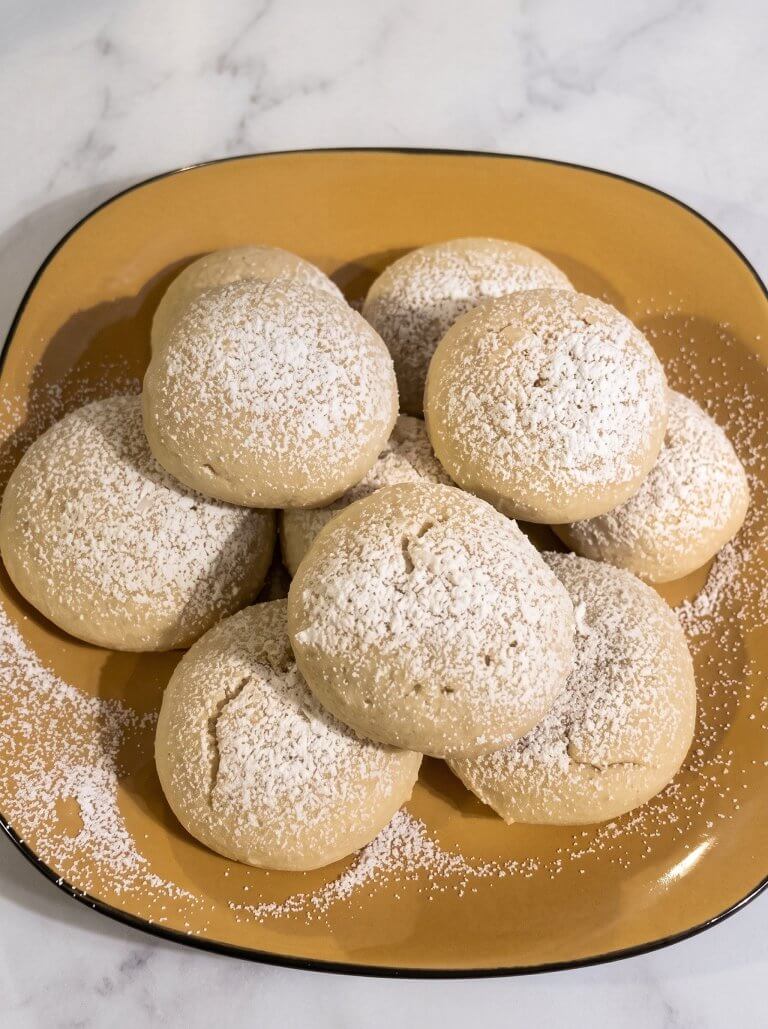
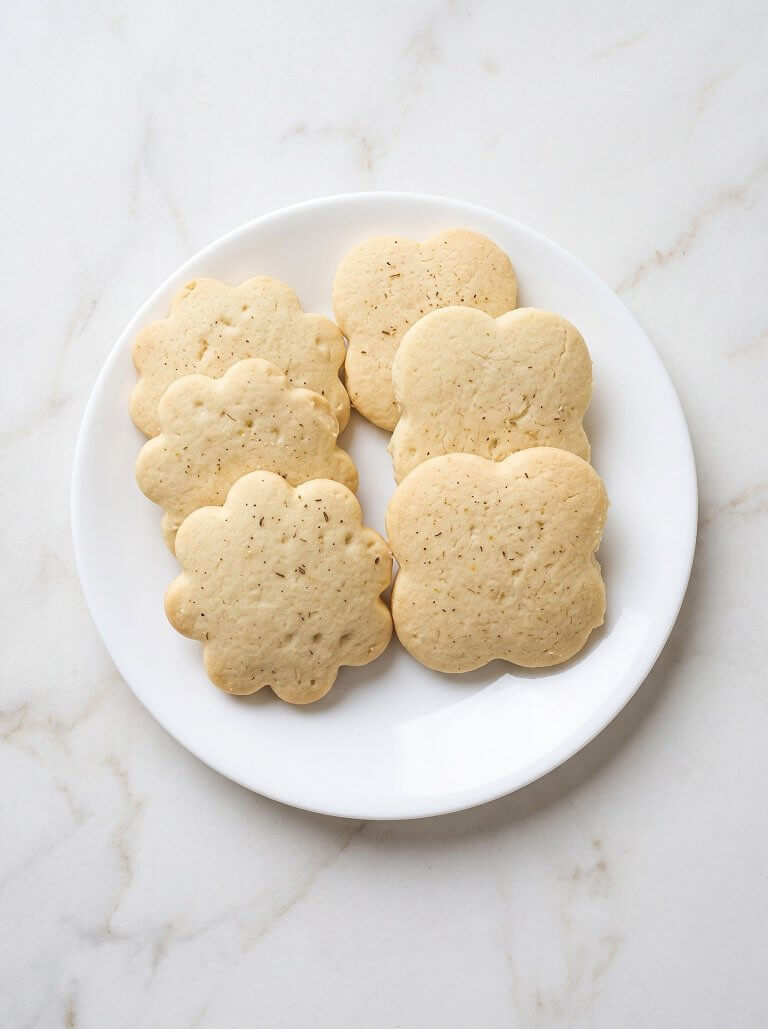
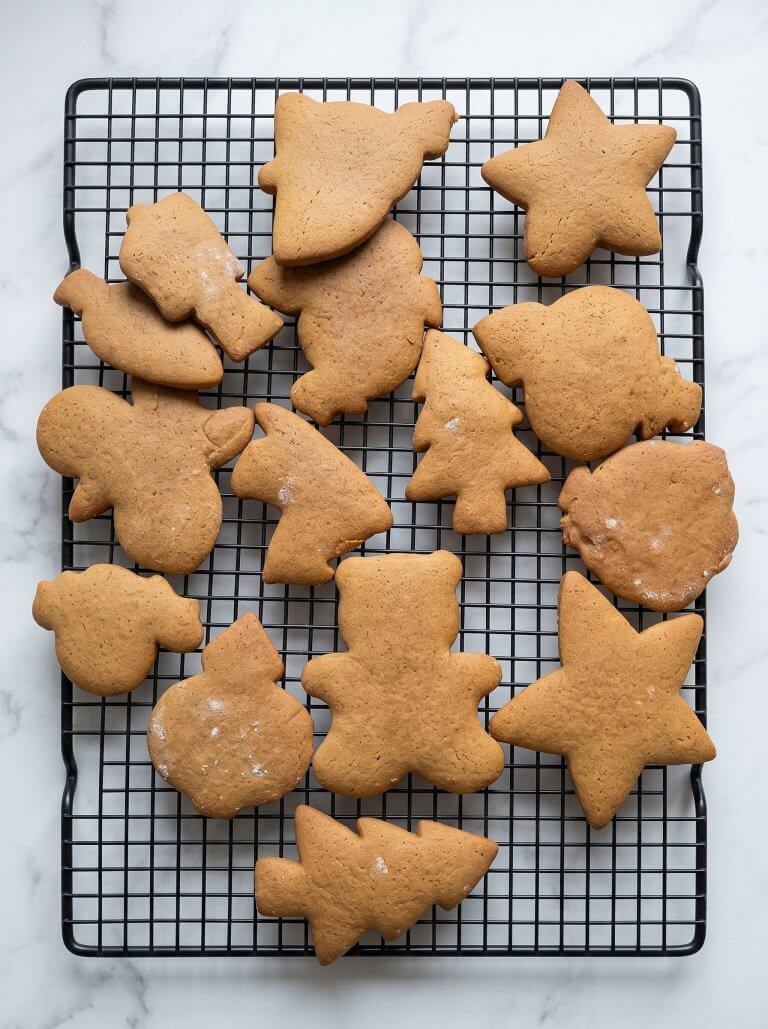
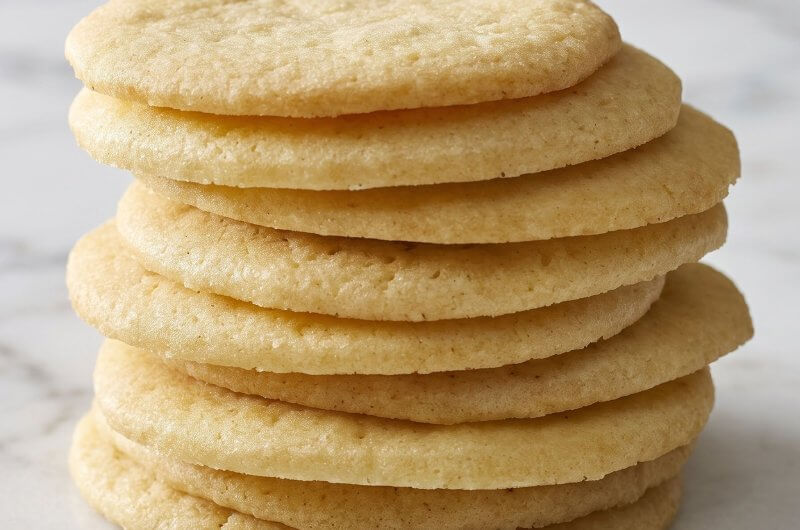
Grandma’s Old-Fashioned Tea Cakes are the kind of simple, buttery cookies that earn a permanent spot in the recipe box. They have soft, tender centers, lightly golden edges, and a delicate nutmeg aroma that makes the whole kitchen smell wonderfully nostalgic. They are sweeter and richer than biscuits, but softer and less crisp than traditional sugar cookies.
What makes these tea cakes a keeper is their simplicity. Butter, sugar, eggs, vanilla, and pantry staples come together into an easy dough that can be rolled and cut into whatever shapes you like. A short chill keeps the dough manageable, while the relatively gentle oven temperature helps the cookies stay pale and tender instead of becoming crunchy.
I especially like that these actually improve after resting. Store them overnight in an airtight container, and the texture becomes beautifully soft and settled by the next day. Almond or lemon extract makes an easy flavor variation, too, so this is one of those collected recipes you can bring back for holidays, afternoon coffee, or a simple after-school treat.
Love this recipe? Pin it to your Cookies & Old-Fashioned Desserts board on Pinterest so you don’t lose it!
Ingredients
1 cup (8 oz) unsalted butter, softened
1¾ cups granulated sugar
2 large eggs
1 tsp vanilla extract
3 cups all-purpose flour
½ tsp baking soda
½ tsp salt
¼ tsp ground nutmeg
Instructions
- Cream the butter and sugar. In a large mixing bowl, beat the softened butter and sugar with an electric mixer until pale, light, and fluffy.
- Add the eggs and vanilla. Beat in the eggs one at a time, mixing thoroughly after each addition. Mix in the vanilla extract.
- Add the dry ingredients. In a separate bowl, whisk together the flour, baking soda, salt, and nutmeg. Gradually mix the dry ingredients into the butter mixture just until a soft dough forms.
- Knead briefly. Transfer the dough to a lightly floured work surface. Gently knead it just a few times, stopping as soon as the dough looks smooth. Avoid overworking it.
- Chill the dough. Cover and refrigerate for about 30 minutes, or until the dough is firm enough to roll easily.
- Preheat the oven. Heat the oven to 165°C / 325°F. Line baking sheets with parchment paper or leave them ungreased.
- Roll and cut. On a lightly floured surface, roll the chilled dough to about ¼-inch thickness. Cut into rounds or other shapes with cookie cutters.
- Bake. Arrange the tea cakes about 1½ inches apart on the prepared baking sheets. Bake for 8 to 10 minutes, until the edges are just beginning to turn golden.
- Cool. Let the tea cakes rest briefly on the baking sheets before transferring them to a wire rack. Cool completely before storing.
Cooking Notes
Do not overbake. Tea cakes should remain relatively pale with only lightly golden edges. Waiting for the entire cookie to brown can produce a dry, crisp result.
Use softened, not melted, butter. Properly softened butter traps air when creamed with sugar, helping create the tender texture.
Keep kneading to a minimum. Excessive kneading develops the flour’s gluten and can make the tea cakes tougher.
For a different flavor, replace the vanilla with 1 tsp almond extract or lemon extract. A small amount of food coloring can also be kneaded into the dough for holidays or special occasions.
These tea cakes are particularly good after one to two days of airtight storage, when their texture becomes softer and the flavors have had time to settle.
Nutrition
With 24 tea cakes, one cookie is a practical dessert serving. The original recipe’s published nutrition provides a useful benchmark of approximately 188 calories per serving.
Yields: 24 servings
Recommended Serving Size: 1 tea cake
Estimated Nutrition per Serving
- Calories: 188 kcal
- Fat: 8.0 g
- Carb: 27.0 g
- Protein: 2.0 g
Actual values can vary slightly with cookie size, flour used during rolling, butter brand, and final yield.
Recipe Science
Old-fashioned tea cakes combine characteristics of sugar cookies and soft butter cookies. Creaming butter with granulated sugar incorporates tiny pockets of air, while eggs supply moisture, protein, and structure. The flour creates the framework of the cookie, baking soda provides modest leavening, and nutmeg contributes aromatic warmth without making the finished tea cakes taste strongly spiced.
The 30-minute chilling period firms the butter and hydrates the flour, making the dough easier to roll and helping cut shapes retain their definition. Baking at the comparatively gentle temperature of 165°C / 325°F allows the centers to set before extensive browning develops. Removing the cookies when only their edges are golden preserves the characteristic soft texture.
These cookies are well suited to make-ahead baking because their texture remains appealing during airtight storage and may become softer after resting. Vanilla can be replaced with almond or lemon extract without substantially changing the dough’s structure. Based on the provided nutrition information, saturated fat is approximately 5 g per serving, or 25% of the FDA Daily Value of 20 g, which qualifies as high. For those monitoring saturated fat intake, keeping the serving to one tea cake is a practical approach.
Why You’ll Love This Recipe
- Old-Fashioned Texture: The cookies are soft and tender rather than thin and crunchy.
- Simple Pantry Ingredients: There are no unusual ingredients or complicated decorating techniques.
- Perfect for Make-Ahead Baking: The flavor and texture are especially enjoyable after the tea cakes have rested for a day.
- Easy to Customize: Vanilla, almond, or lemon extract can change the flavor without requiring a new recipe.
- Great for Cookie Cutters: The chilled, rolled dough makes these easy to adapt for holidays and special occasions.
FAQ
- Can I make the dough ahead of time? Yes. Keep the dough tightly covered in the refrigerator, then allow it to soften briefly at room temperature if it becomes too firm to roll.
- Why are my tea cakes tough? Too much flour during rolling, excessive kneading, or overbaking are the most likely causes. Handle the dough gently and remove the cookies once the edges are lightly golden.
- Can I substitute almond or lemon extract? Yes. Either can replace the vanilla. Almond extract produces a more pronounced flavor, so you can start with ½ tsp if you prefer something subtle.
- How thick should I roll the dough? Aim for approximately ¼ inch. Rolling too thin will make the tea cakes crispier and may shorten the baking time.
- How should I store them? Once completely cool, keep the tea cakes in an airtight container at room temperature. Their texture is especially good after resting overnight.
Conclusion
There is something wonderfully comforting about a simple recipe that doesn’t need frosting or fancy decorations to feel special. These old-fashioned tea cakes are worth making exactly as written the first time, then making your own with different extracts, shapes, or family traditions.
Cooking is a journey, and the best recipes are often the ones that evolve a little in every kitchen. What flavor would you try first; classic vanilla, bright lemon, or almond?
Happy baking, from my kitchen to yours.
Grandma’s Old-Fashioned Tea Cakes
Course: Sugar CookiesCuisine: AmericanDifficulty: Easy24
servings10
minutes30
minutes188
kcalTender, buttery Southern-style tea cakes flavored with vanilla and a delicate hint of nutmeg, rolled and baked until just golden around the edges.
Ingredients
1 cup (8 oz) unsalted butter, softened
1¾ cups granulated sugar
2 large eggs
1 tsp vanilla extract
3 cups all-purpose flour
½ tsp baking soda
½ tsp salt
¼ tsp ground nutmeg
Directions
- Cream the butter and sugar. In a large mixing bowl, beat the softened butter and sugar with an electric mixer until pale, light, and fluffy.
- Add the eggs and vanilla. Beat in the eggs one at a time, mixing thoroughly after each addition. Mix in the vanilla extract.
- Add the dry ingredients. In a separate bowl, whisk together the flour, baking soda, salt, and nutmeg. Gradually mix the dry ingredients into the butter mixture just until a soft dough forms.
- Knead briefly. Transfer the dough to a lightly floured work surface. Gently knead it just a few times, stopping as soon as the dough looks smooth. Avoid overworking it.
- Chill the dough. Cover and refrigerate for about 30 minutes, or until the dough is firm enough to roll easily.
- Preheat the oven. Heat the oven to 165°C / 325°F. Line baking sheets with parchment paper or leave them ungreased.
- Roll and cut. On a lightly floured surface, roll the chilled dough to about ¼-inch thickness. Cut into rounds or other shapes with cookie cutters.
- Bake. Arrange the tea cakes about 1½ inches apart on the prepared baking sheets. Bake for 8 to 10 minutes, until the edges are just beginning to turn golden.
- Cool. Let the tea cakes rest briefly on the baking sheets before transferring them to a wire rack. Cool completely before storing.