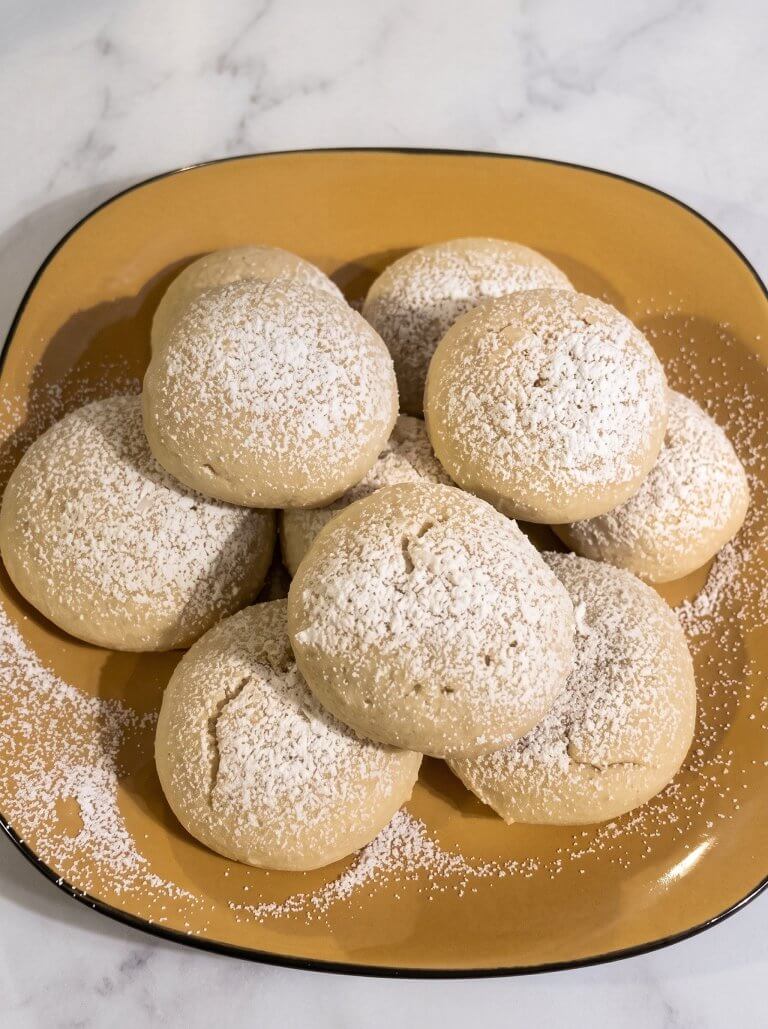
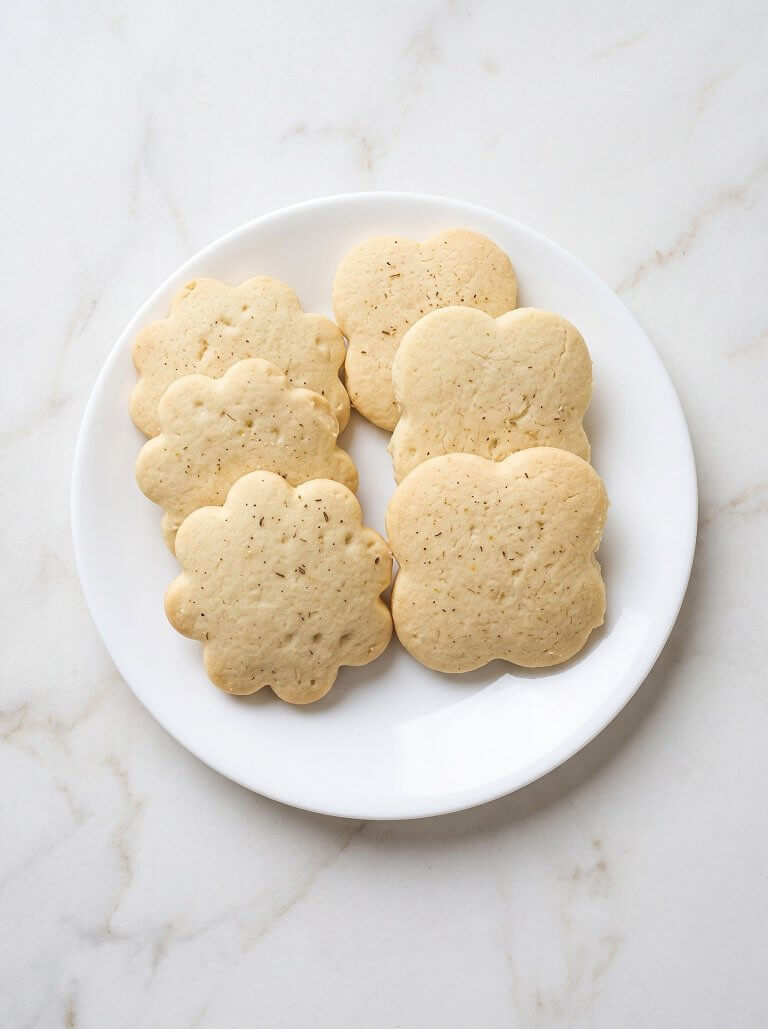
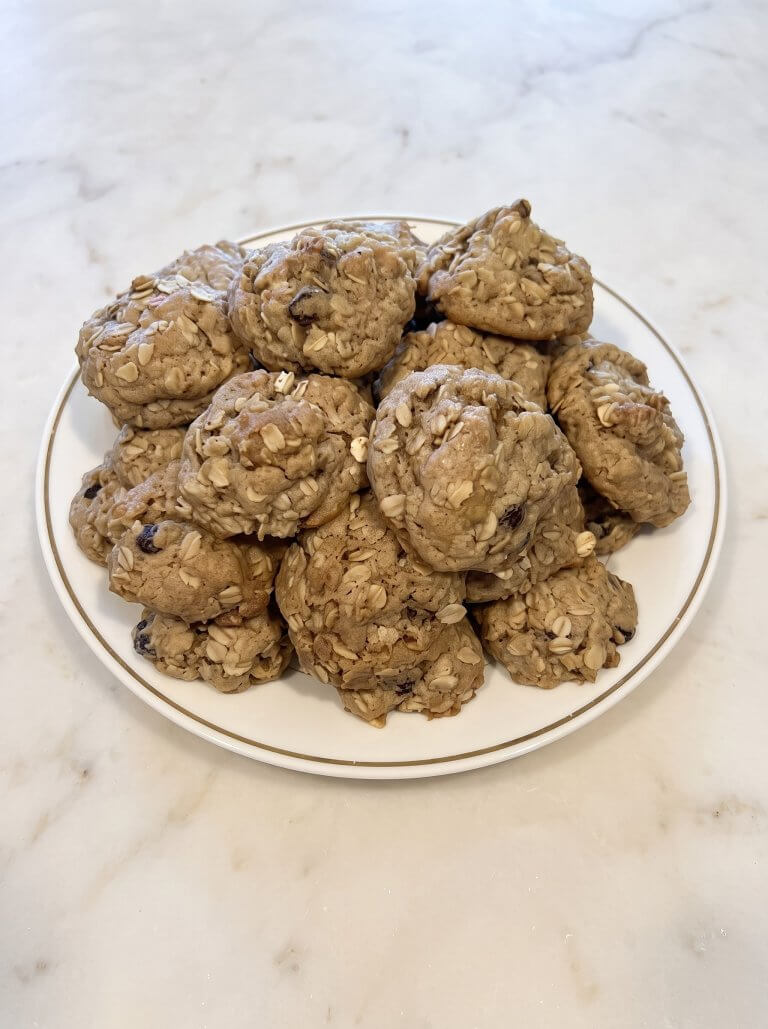
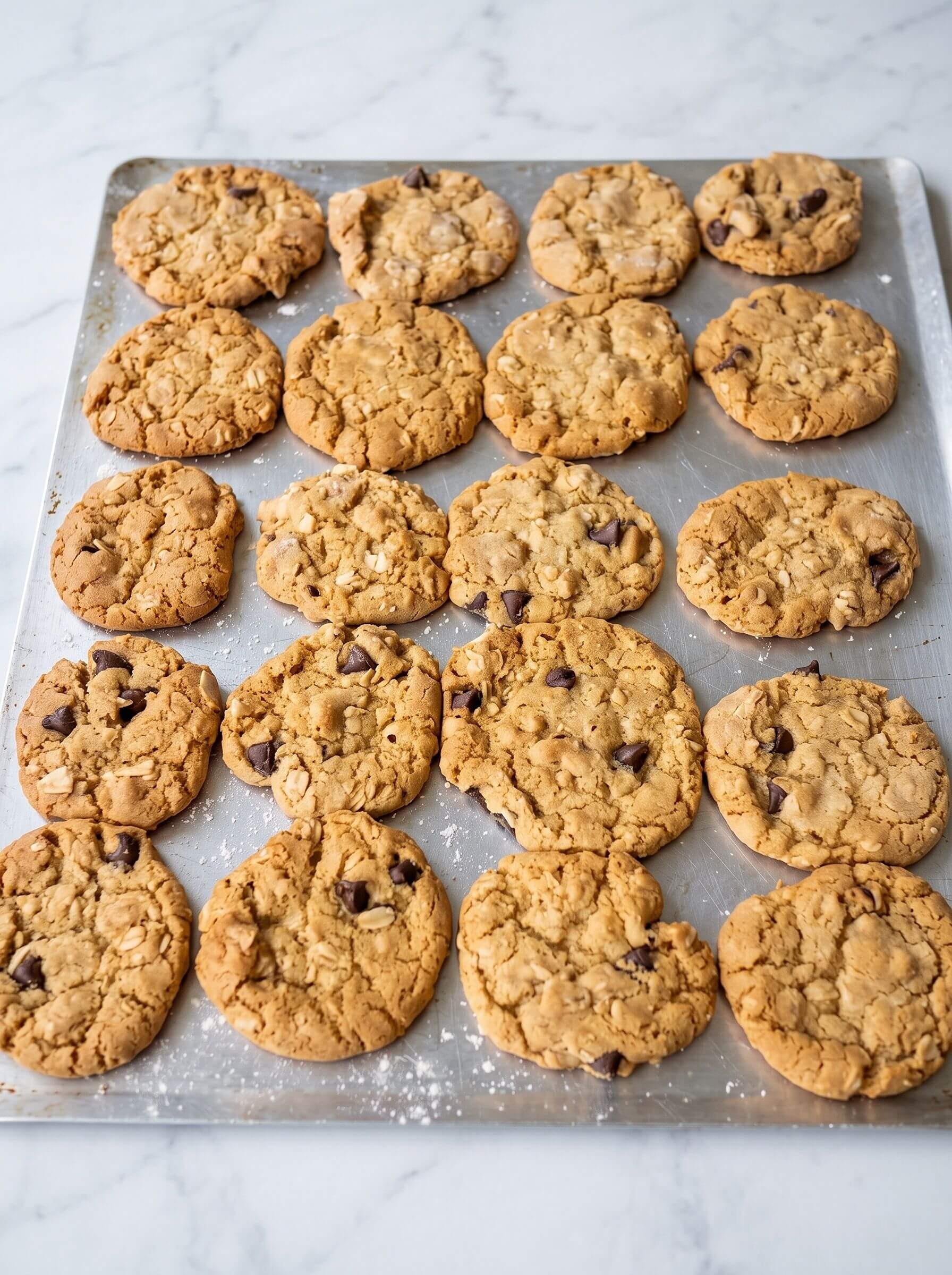
These Dad’s Oatmeal Coconut Cookies are the kind of old-fashioned family recipe that earns a permanent spot in the recipe box. Rolled oats and coconut give each cookie a pleasantly chewy, hearty texture, while brown sugar adds a deeper caramel sweetness and helps keep the centers soft. Vegetable oil takes the place of butter, making the dough quick to mix without waiting for anything to soften. This version stays faithful to the family-style oatmeal cookie described in the original recipe while polishing the method for an American home kitchen.
I especially like how uncomplicated these are for a busy afternoon. There is no mixer required, the ingredients are pantry-friendly, and a batch makes 36 cookies, which is plenty for lunchboxes, after-school treats, or sharing with neighbors. Pull them from the oven while they are still lightly colored for that wonderful contrast between tender centers and lightly set edges.
Love this recipe? Pin it to your Cookies & Desserts board on Pinterest so you don’t lose it!
Ingredients
1 ½ cups all-purpose flour
1 tsp baking soda
¾ tsp salt
1 cup granulated sugar
1 cup packed brown sugar
1 ½ cups rolled oats
½ cup sweetened flaked coconut
¾ cup vegetable oil
2 large eggs
1 tsp vanilla extract
Instructions
- Preheat the oven. Heat the oven to 175°C / 350°F. Lightly grease baking sheets or line them with parchment paper.
- Combine the dry ingredients. In a large mixing bowl, stir together the flour, baking soda, salt, granulated sugar, brown sugar, rolled oats, and coconut until evenly distributed.
- Add the wet ingredients. Make a well in the center. Add the vegetable oil, eggs, and vanilla. Stir with a sturdy wooden spoon until a thick, evenly moistened cookie dough forms.
- Shape the cookies. Roll the dough into walnut-sized balls and arrange them about 2 inches apart on the prepared baking sheets. Gently flatten each ball with a fork.
- Bake. Bake at 175°C / 350°F for 10-12 minutes, just until the cookies are set and very lightly golden. Avoid waiting for them to become deeply browned; they will continue to firm as they cool.
- Cool. Leave the cookies on the baking sheet for about 3-5 minutes, then carefully transfer them to a wire rack to cool completely.
Cooking Notes
For the chewiest cookies, take them out while the centers still look slightly soft. Overbaking is the most common reason oatmeal cookies turn hard.
Use old-fashioned rolled oats rather than steel-cut oats. Quick oats can work in a pinch, but they produce a finer, less substantial texture.
Because this dough uses oil instead of solid butter, expect it to feel softer and slightly more oily than traditional butter-cookie dough.
Unsweetened shredded coconut can replace sweetened coconut if you prefer less sweetness. For a more neutral flavor, choose vegetable, canola, or another mild cooking oil.
Store cooled cookies in an airtight container at room temperature for about 4 days. They can also be frozen for longer storage.
Nutrition
Yields: 36 servings; 1 cookie per serving
The baked batch is approximately 2 lb 3 oz, with individual cookies averaging roughly 1 oz after baking. Actual yield and cookie weight will vary with portioning and moisture loss.
Estimated Nutrition per Serving
Calories: 119 kcal
Fat: 5.4 g
Carb: 16.8 g
Protein: 1.2 g
Recipe Science
These cookies combine wheat flour, rolled oats, two types of sugar, coconut, eggs, and vegetable oil in a simple drop-cookie formula. Unlike a conventional creamed-butter cookie, the liquid oil is mixed directly into the dry ingredients. The eggs provide moisture, protein, and structure, while baking soda encourages spreading and browning.
The combination of granulated and brown sugars affects both texture and flavor. Brown sugar contributes moisture and molasses notes, supporting a softer, chewier cookie, while granulated sugar promotes spreading and lightly crisp edges. Rolled oats absorb moisture while retaining their structure, giving the cookies their characteristic chew. Coconut adds additional fat, sugar, and texture. A relatively short 10-12 minute baking period helps prevent excessive moisture loss.
For everyday use, the recipe requires no electric mixer and uses mostly shelf-stable ingredients. The cookies can be stored airtight once completely cool, and brief warming can soften cookies that have firmed during storage. Mild neutral oils are interchangeable without significantly changing the method.
Dietary Notes & Health Alerts: Based on the estimated serving size of one cookie, saturated fat, sodium, and added sugar are not expected to individually exceed 20% of the FDA Daily Value per serving. Added sugar is the most nutritionally significant consideration because the recipe contains 2 cups of added sugar plus sweetened coconut. Multiple cookies can therefore increase added-sugar intake quickly. Using unsweetened coconut can modestly reduce the total.
Why You’ll Love This Recipe
- No Mixer Needed: The oil-based dough comes together with a bowl and sturdy spoon.
- Seriously Chewy Texture: Rolled oats, brown sugar, and coconut create satisfying chew in every bite.
- Simple Pantry Ingredients: Most of the ingredients are everyday baking staples.
- Big-Batch Friendly: One recipe produces about 36 cookies, making it convenient for parties, bake sales, and family treats.
- Freezer Friendly: Make a batch ahead and freeze extras for an easy homemade dessert later.
FAQ
- Can I use quick oats? Yes. The cookies will still work, but quick oats absorb moisture differently and give them a softer, less distinctly chewy oatmeal texture.
- Why did my cookies turn hard? They were most likely baked too long. Remove them when the edges are set but the cookies are still very lightly colored.
- Can I substitute butter for the vegetable oil? Melted and cooled butter can be used, although it will change the flavor, moisture, and final texture. For results closest to this recipe, stick with a neutral oil.
- Can I make the dough ahead? Yes. Cover it tightly and refrigerate it for up to 24 hours. Let very cold dough sit briefly at room temperature if it becomes difficult to portion.
- Can I freeze these cookies? Absolutely. Cool them completely, pack them into an airtight freezer container, and freeze. Thaw at room temperature before serving.
Conclusion
There is something especially comforting about keeping an old family-style cookie recipe in rotation, and these chewy oatmeal coconut cookies are simple enough to make whenever the craving hits. Cooking and baking are always a journey, so don’t be afraid to adjust the coconut or bake time until they’re exactly right for your family.
Do you like your oatmeal cookies extra chewy or with crisp, golden edges? I’d love to hear how you serve yours. Happy baking from my kitchen to yours!
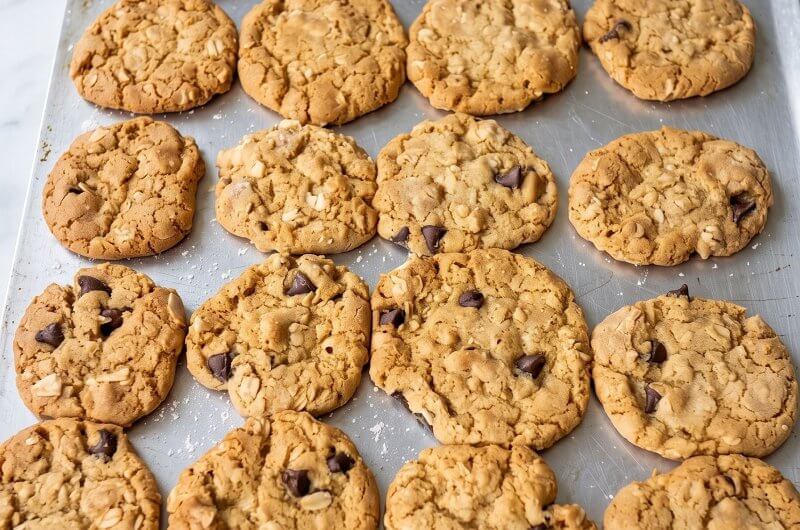
Dad’s Oatmeal Coconut Cookies
Course: Oatmeal CookiesCuisine: AmericanDifficulty: Easy36
cookies20
minutes12
minutes119
kcalSoft and chewy old-fashioned oatmeal cookies made with coconut, brown sugar, and vegetable oil instead of butter.
Ingredients
1 ½ cups all-purpose flour
1 tsp baking soda
¾ tsp salt
1 cup granulated sugar
1 cup packed brown sugar
1 ½ cups rolled oats
½ cup sweetened flaked coconut
¾ cup vegetable oil
2 large eggs
1 tsp vanilla extract
Directions
- Preheat the oven. Heat the oven to 175°C / 350°F. Lightly grease baking sheets or line them with parchment paper.
- Combine the dry ingredients. In a large mixing bowl, stir together the flour, baking soda, salt, granulated sugar, brown sugar, rolled oats, and coconut until evenly distributed.
- Add the wet ingredients. Make a well in the center. Add the vegetable oil, eggs, and vanilla. Stir with a sturdy wooden spoon until a thick, evenly moistened cookie dough forms.
- Shape the cookies. Roll the dough into walnut-sized balls and arrange them about 2 inches apart on the prepared baking sheets. Gently flatten each ball with a fork.
- Bake. Bake at 175°C / 350°F for 10-12 minutes, just until the cookies are set and very lightly golden. Avoid waiting for them to become deeply browned; they will continue to firm as they cool.
- Cool. Leave the cookies on the baking sheet for about 3-5 minutes, then carefully transfer them to a wire rack to cool completely.